
Popular Tree Removal Products That Get the Job Done
Discover a wide selection of reliable tools and gear essential for effective and safe tree removal projects of any size.
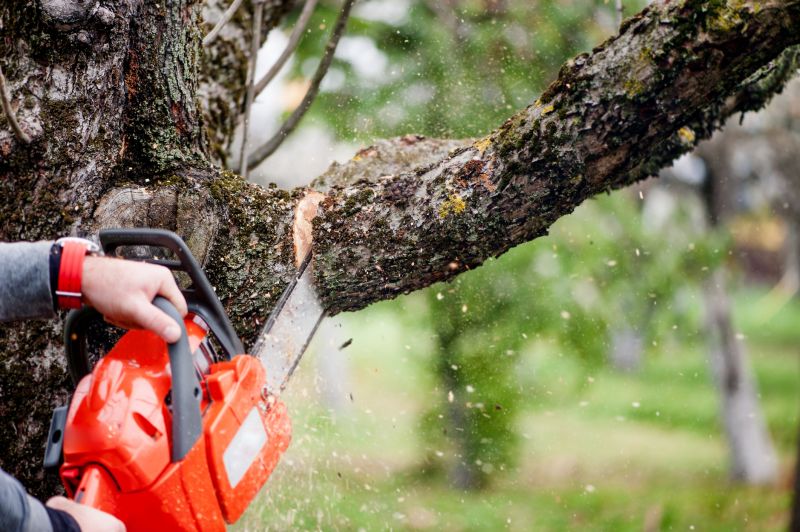 When considering tree removal projects in Prescott, AZ, it is essential to select the right tools and equipment to ensure safety and efficiency. Tree removal can involve a variety of tasks, from cutting down small trees to managing large, mature specimens. The process often requires specialized equipment that can handle different sizes and types of trees, as well as the terrain found in Prescott's diverse landscape. Proper planning and the right product selection can make the task more manageable and reduce potential hazards.
Top Overall Option
Cordless Electric Chainsaw
A cordless electric chainsaw offers portability, ease of use, and reduced maintenance compared to gas-powered models. It is suitable for various tree removal tasks, from trimming branches to felling small trees. The absence of cords provides flexibility to work in remote or hard-to-reach areas without the hassle of extension cords, making it a versatile choice for many users. Its lightweight design and quiet operation can enhance safety and comfort during use.
Types of Products For Tree Removals
Chainsaws
Electric, gas, and cordless chainsaws designed for cutting through trunks and branches of various sizes.
Pole Saws
Extendable saws ideal for trimming high branches and accessing hard-to-reach areas without climbing.
Pruning Saws
Handheld saws for detailed trimming and smaller branch cuts, suitable for precision work.
Chippers and Shredders
Equipment used to convert branches and limbs into mulch or chips, facilitating debris disposal.
Stump Grinders
Machines designed to grind down tree stumps after removal, helping to prepare the area for new planting or landscaping.
Climbing Gear
Harnesses, spikes, and ropes for safe ascent and descent during large tree removals.
Ropes and Pulley Systems
Tools to control falling branches or sections of trees, ensuring safe and precise removal.
Safety Helmets and Gear
Protective equipment essential for safeguarding against falling debris and accidents.
Loppers
Long-handled pruning tools for cutting thick branches within reach.
Ax and Maul
Heavy-duty hand tools useful for chopping small trees or clearing brush.
Tree Removal Nets
Safety nets to catch falling debris during pruning or cutting operations.
Debris Bags and Containers
Containers designed to collect and transport branches and cuttings efficiently.
Hydraulic Lifts
Equipment that provides elevated access for large-scale tree removal or trimming.
Winches and Hoists
Tools used to pull or lift heavy tree sections safely.
Tree Felling Wedges
Metal wedges inserted into cuts to guide and control the direction of falling trees.
Mulchers
Machines that shred wood and branches into mulch for landscaping or disposal.
Popular Choices
A versatile tool favored for its portability and ease of use in various tree removal tasks.
Popular for trimming high branches safely from the ground.
A handy tool for detailed pruning and smaller branch cuts.
Widely used for removing stumps after tree felling.
Essential protective gear for ensuring safety during tree work.
Effective for processing large branches into mulch.
Preferred for safe ascent during large or complex tree removals.
Commonly used to control the fall of large branches or sections.
Popular for trimming smaller branches with precision.
Frequently chosen for clearing smaller trees or thick brush.
Convenient for gathering and transporting cuttings.
Trusted for providing elevated access in large-scale removals.
Used to assist in controlled removal of heavy tree sections.
Popular for reducing yard waste on-site.
Commonly employed to guide the direction of falling trees.
Including chains, bars, and safety features for optimal operation.
Necessary for electric-powered tools in remote locations.
For homeowners and professionals alike, safety gear is a fundamental component of any tree removal setup. This includes protective helmets, eye protection, gloves, and sturdy footwear. Additionally, the use of appropriate cutting tools is crucial. Chainsaws are the most common choice for cutting through trunks and branches, with various sizes and power levels available to suit different job requirements. Accessories such as sharp chains, bar oil, and replacement parts are also important to keep equipment functioning smoothly.
In more complex tree removal scenarios, equipment like climbing gear, ropes, and harnesses become necessary. These tools allow for controlled and safe removal of large or hard-to-reach branches and trees. For ground-based removal, tools like hand saws, pole saws, and stump grinders are often employed. Each product type serves a specific purpose and can be selected based on the size of the tree, the location, and the scope of the project. Proper training and adherence to safety protocols are essential when using these tools to prevent accidents and injuries.
Whether performing a small removal or a large-scale project, understanding the available products and their applications is key. Investing in quality equipment can improve efficiency and safety, making the task less daunting. For residents of Prescott, AZ, having access to reliable and versatile tree removal products can facilitate maintaining healthy landscapes and managing safety around property. Always consider your specific needs, terrain, and tree size when choosing the right tools for the job.
Key Buying Considerations
- Tree size and diameter: Choose equipment capable of handling the size of trees you will be removing.
- Power source: Decide between gas-powered, electric, or battery-operated tools based on mobility needs.
- Safety features: Ensure the product includes safety features such as guards, safety switches, and protective gear compatibility.
- Ease of use: Consider the weight, ergonomics, and user-friendliness of the equipment.
- Terrain compatibility: Select tools suitable for the landscape, whether flat, hilly, or uneven ground.
- Durability and build quality: Invest in products made from high-quality materials for longevity and reliable performance.
- Maintenance requirements: Be aware of the upkeep needed to keep tools in optimal condition.
- Accessory compatibility: Check if the equipment supports additional attachments or accessories for versatility.
- Noise levels: Consider quieter options if working in noise-sensitive environments or residential areas.
- Storage and portability: Opt for compact, easy-to-store equipment if space is limited.
- Budget considerations: Balance cost with features and quality to find the best value for your needs.
- Availability of spare parts: Ensure replacement parts are accessible for ongoing maintenance.
- Training and safety protocols: Be prepared to follow proper procedures and possibly seek training for complex tools.
- Environmental conditions: Consider weather resistance if working outdoors in various conditions.
- Local regulations: Verify any local guidelines or restrictions related to tree removal equipment usage.